문학상 수필부문에 응모하다
간간이 써놓은 수필 가운데 나름 괜찮다고 본 한 편을 출품했습니다.
개인적인 생각의 단편을 전문가들이 어떻게 평가할지는 알 수 없지만
지금의 수준을 점검해보자는 차원에서 용기를 냈습니다.
'그래도 응모작인데 ' 라는 생각에서 가감첨삭(加減添削)으로 내용을 다듬어
정식으로 지원했습니다.
아래는 출품작 전문이며, 결과가 어떨지 함께 기대해 보시죠~
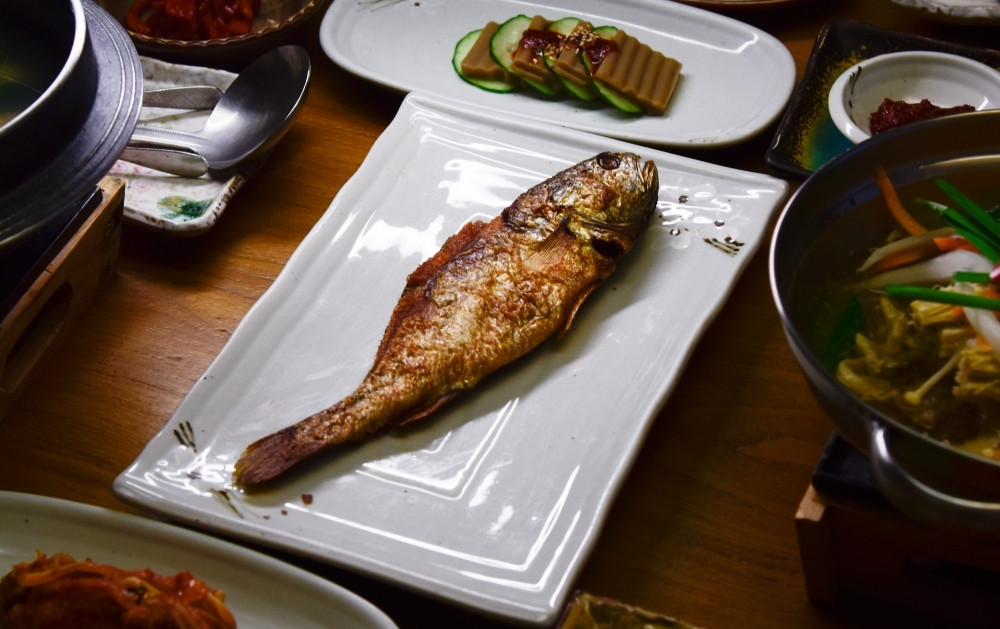
그날 그 맛집, 드디어 다시 찾다
“로마는 하루아침에 이뤄지지 않았다”
로마가 이뤄 놓은 다양한 문화 중 ‘소금(salt)’ 문화는 현재까지 음식문화에 유효하다. 습한 날씨에 석회암 성분의 물맛이 나는 유럽 날씨 때문에 소금으로 짜게 음식을 조리하다 보니 현재까지 유럽 음식은 한국인이 보기에 다소 짜게 느껴진다.
‘샐러리맨(salaryman)’이란 소금을 받는 봉급자를 말하며, 솔져(soldier)는 ‘소금을 월급으로 받는 병사’라는 어원이기 때문에 모든 음식 중 염장하는 소금의 중요성은 인류문화에 지대한 영향력을 미친 것이다.
로마 시대 상류층은 광산에서 채취한 암염(바닷물을 가둬놓고 바람과 태양열로 증발시켜 만드는 ‘천일염’에 비해 염도, 즉 짠맛이 더 강하다)으로 음식(주로 고기와 생선 위주의) 본연의 맛을 살리기 위해 더 소금을 많이 넣을수록 귀한 음식으로 대접한다는 인식이 오늘까지 남아 고급 레스토랑에는 소금과 후추통이 식탁에 남아 있다.
대학 졸업 후 첫 직장이 한국일보 신문기자였고, 지금도 기자로 밥을 먹고 있으니 여전히 필자는 글쟁이다. 당연히 정치·경제·사회·문화에 대한 현안을 다루면서 다양한 주제로 사람을 만나다 보니 음식에 대한 식견이 높아진다.
한국 음식문화는 K-문화의 세계화로 인해 전파력이 매우 높다. 세계 유력 항공사들이 ‘비빔밥’과 ‘라면’을 1등석 기내식으로 제공할 정도이고, 매운맛 문화가 없는 유럽과 미주, 동남아 등 전 세계에 ‘불닭볶음면’ 신드롬을 낳았다. 이에 2012년 4월 출시된 삼양라면 대표 볶음면 인기로 식품업계 최초로 7억 불 수출탑을 받을 정도다.
특히 기자 업무상 자주 만나게 되는 공무원과 다양한 사람들은 그 지역 맛집에 대한 식견이 높다고 필자는 본다.
세계일보 본사 재직 시 업무 관계로 전남 광주광역시 출장에서 맛본 ‘보리굴비’의 맛을 지금껏 잊지 못하고 있다. 한국 음식은 산지가 많은 특성상 암반에서 나오는 물로 인해 물맛이 세계적으로 좋고, 천일염을 사용하기에 유럽 등에 비해 2배 가까운 소금 섭취량이라지만 우리는 짜고 매운 반찬과 뜨거운 국 때문에 전혀 느끼지 못하는 편이다. 요즘 들어 설탕이 많이 들어간 단맛 때문에 중화되는 요인도 있을 것이다.
서울서 거리가 먼 광주광역시에서 맛본 그 음식을 왜 잊지 못하는 것일까를 곰곰이 생각해 보았다. 가깝지 않은 지역이라 다시 가볼 수도 없어서 서울에서 유명하다는 보리굴비 맛집에 가서 그 맛을 찾으려 했다. 그러나 그 오묘한 광주의 맛집과는 전혀 다른 맛이어서 광주 그 집 보리굴비에 정말 특별한 노하우가 있었던 것인지 알 수가 없었다.
이것은 울릉도 여행 때 맛본 ‘울릉도 오징어’와 같은 것일까 생각해 보았다. 울릉도에서 직접 맛본 ‘울릉도 오징어’는 말린 상태 그대로 먹었는데 마치 젤리 같았다. 신기하게도 육지로 돌아와 며칠 후에 먹어보니 울릉도에서 먹은 맛과 달랐던 경험을 했었다.
마치 ‘울릉도 오징어’처럼 서울에서 그때의 맛을 다시 맛보게 해줄 맛집이 없었다.
‘이럴 줄 알았으면 상호라도 잘 기억하고 있을걸’ 하고 아쉬움이 커져 가면서 인터넷으로 찾아볼 생각을 했다. 당시 KTX를 타고 광주송정역에 내려 역 앞에 대기하고 있던 거래처 사장의 차를 타고 마침 점심시간이라서 곧바로 식당으로 향했다.
그의 말대로 ‘광주에는 맛집이 많은데 그중에서도 보리굴비 맛집으로 유명한 곳’이라며 가게 된 그 집은 정말 보리굴비의 맛이 일품이었다. 조기나 굴비나 비릿한 맛에 별로 좋아하지는 않았던 필자였지만 그날 맛본 보리굴비의 맛은 정말 지금까지도 감탄하는 ‘특별한 맛’이었다.
업무로 바쁘게 일상생활 하면서 그렇게 그때의 뛰어난 맛의 보리굴비조차 생각하지 못하고 몇 해가 지나갔다. 그러다 날이 추워지자 정말 불현듯 보리굴비를 먹고 싶다는 생각이 들었다. 당연히 광주의 그 집이 생각났다.
‘아…. 그 집 상호가 뭐였더라…’
인터넷을 몇 번이나 찾아봤지만 허탕만 하기를 수십 번…. 허탈함으로 “다음에는 꼭!” 다짐했지만 또다시 일상에서 분주함으로 지나쳐 버리게 됐다.
그러던 중 오늘, 결국은 기막히게 우연한 기회로 그 맛집을 찾고야 말았다! 이번에는 막연하게 광주 어디쯤 이렇게 물색한 것이 아니라 광주송정역을 기점으로 당시 사장과 함께 차를 타고 가면서 나눴던 이야기들, 여기는 광주공항, 여기는 영산강, 극락교 등 마치 문화관광해설사처럼 지역에 관해 설명해 준 기억을 더듬어 인터넷 지도를 짚어 나갔다.
‘여기 어디쯤인 거 같은데…’ 인터넷으로 찾은 지도를 유심히 살펴보던 중 무릎을 쳤다.
‘그래, 건물 뒤편에 주차하고 식당에 들어갈 때 모양새가 이랬던 것 같다’는 느낌이 드는, 눈에 익은 지형이 나타난 것이다. 아직 머리가 죽지 않았다면 여기가 맞다. 틀림없다. 반가운 마음에 메뉴부터 살펴봤다. 낙지, 광어, 우럭 등 활어직판장 이름처럼 많은 활어가 있었다. 당시에도 ‘활어집인데 왜 보리굴비가 유명하지?’라는 생각이 들었기에 역설적으로 더 기억에 남게 됐다.
인터넷으로 찾아보면서 새롭게 알게 된 사실이지만 이 집이 광주광역시 14년 연속 맛집으로 지정된 곳이란다. 하기야 나도 당시 보리굴비 맛을 못 잊어 다녀온 지 벌써 5년 이상의 시간이 지났어도 다시 찾아 맛보고 싶은 맛이니 연속 맛집으로 지정된 사실이 전혀 이상하지 않을 정도다.
입맛은, 음식은 참 오묘하다. 식감이 주는 맛과 그 정취가 같이 주는 맛, 추억이 주는 맛이 마치 비빔밥처럼 혼합되어 다양한 반찬이 어우러져 특이한 맛을 내는 것 같다.
그래서 돌고 돌아서 이제 찾았기에 거리상 현지에 가서 먹지는 못하더라도 집에서 택배 주문을 통해 당시의 맛을 기억하고 음미하며 먹어볼 참이다.
‘아, 그 맛을 다시 느낄 수 있을까?’ 행복한 추억과 고민을 동시에 떠올리며 입맛을 다지다 보니 어느새 짭쪼로운 ‘보리굴비’가 내 입안에 들어와 있는 것 같다.
That day that famous restaurant, finally found again
“Rome wasn’t built in a day”
Among the many cultural contributions of ancient Rome, the “salt culture” remains deeply relevant to modern culinary practices. Due to Europe’s humid climate and the limestone-tinged taste of its water, Romans developed a tradition of heavily salting their food. This practice has persisted, and to this day, European cuisine can often seem overly salty to Korean palates.
The term “salaryman” originates from the Latin word “salarium,” which referred to the wages paid in salt. Similarly, “soldier” derives from “sal dare,” meaning “to give salt.” These etymologies underscore the profound influence salt has had on human civilization. In Roman times, salt was not only a vital preservative but also a symbol of wealth and status. Upper-class Romans, for example, valued rock salt from mines more highly than sea salt, appreciating its stronger salinity. This preference for using generous amounts of salt to enhance the natural flavors of meat and fish still influences the fine dining traditions of today, where salt and pepper shakers remain staples on restaurant tables.
After graduating from university, I began my career as a reporter for the Korea Times, and I’ve remained a journalist ever since. Covering topics across politics, economics, society, and culture, I’ve had countless opportunities to meet diverse people and, as a result, have developed a refined appreciation for food.
Korean cuisine, bolstered by the global spread of K-culture, has gained remarkable international recognition. Major airlines now serve bibimbap and ramen in their first-class cabins, and the “fire noodle” phenomenon has introduced Korean spicy flavors to regions as varied as Europe, the Americas, and Southeast Asia. Launched in April 2012, Samyang’s signature stir-fried noodles achieved such global popularity that they earned the company a $700 million export milestone.
As part of my reporting duties, I’ve often interacted with public officials and locals who possess exceptional knowledge of regional delicacies. One unforgettable experience was during a business trip to Gwangju, where I first tasted barley-cured croaker (“borigulbi”). Its flavor remains etched in my memory. Korean cuisine, shaped by the nation’s mountainous terrain and mineral-rich water sources, boasts an extraordinary depth of taste. Although Koreans consume almost double the salt compared to Europeans due to salty side dishes and spicy stews, the balance achieved with these flavors is rarely overwhelming. Recently, the increasing use of sugar in certain dishes may also have a tempering effect.
I’ve often pondered why the taste of the borigulbi from that Gwangju restaurant lingers so vividly in my memory. Perhaps it’s because I’ve never had the chance to return. I’ve tried to replicate the experience at renowned borigulbi restaurants in Seoul, but none matched the complexity of the flavor I encountered in Gwangju. Was it the expertise of that particular establishment? Or was it something unique about the local ingredients?
This longing reminded me of another culinary experience on Ulleungdo Island, where I tasted freshly dried squid. On the island, the squid’s texture was almost jelly-like?a revelation. However, when I brought some back to the mainland and tasted it a few days later, the flavor seemed markedly different. It’s as if certain tastes can only truly be appreciated in their original setting.
Reflecting on that Gwangju trip, I wished I had remembered the restaurant’s name. I scoured the internet countless times without success. The memory of stepping off the KTX at Gwangju Songjeong Station, getting into a client’s car, and heading straight to the restaurant for lunch still feels vivid. My client had mentioned that Gwangju was home to many culinary treasures, and the borigulbi from that particular establishment exceeded all my expectations. Despite my usual indifference to croaker or other fish known for their briny taste, this dish was extraordinary.
Years passed, and I became preoccupied with work. Only when the weather turned cold did a sudden craving for that borigulbi resurface. I resolved to find the restaurant. This time, I retraced my steps more methodically. Recalling landmarks my client had pointed out during the drive?the Gwangju Airport, the Yeongsan River, and the Gukrak Bridge?I meticulously analyzed online maps. Eventually, I stumbled upon a location that matched my memory. The layout of the parking lot and the restaurant’s entrance felt unmistakably familiar.
Further research revealed that the restaurant had been designated a “Gwangju Certified Culinary Treasure” for 14 consecutive years. Considering how unforgettable their borigulbi was, this recognition came as no surprise.
Food, like memory, is a complex tapestry. The taste, the texture, the ambiance, and even the emotions tied to a particular moment all intertwine to create an experience. Much like a well-prepared bibimbap, the various elements harmonize into something greater than the sum of its parts.
Now that I’ve rediscovered the restaurant, I plan to savor their borigulbi once more, even if only through a delivery order. I can’t help but wonder: “Will it taste the same?” As I anticipate revisiting that remarkable flavor, I find myself smiling, my mouth already watering at the thought of that first bite.
영문 번역 : ChatGPT